Crane safety isn’t just a regulatory checkbox—it’s a core pillar of operational excellence, workforce protection, and long-term business sustainability. In industries like construction, manufacturing, and logistics, cranes are indispensable. But with their power and scale comes significant risk. A single lapse in safety can result in severe injuries, costly downtime, legal exposure, and reputational damage.
Why Crane Safety Matters More Than Ever
Modern job sites are becoming increasingly complex. Tight timelines, dense urban environments, and heavier loads mean crane operations are under more pressure than ever. This makes safety not just important—but essential.
Workplace incidents involving cranes often have high consequences. Beyond the human cost, companies face project delays, insurance increases, regulatory penalties, and loss of client trust. Prioritizing crane safety is not only the ethical choice—it’s a smart business decision.
Key Risks in Crane Operations
Understanding the risks is the first step toward mitigating them. Some of the most common crane-related hazards include:
- Overloading: Exceeding a crane’s rated capacity can lead to tipping or structural failure.
- Poor ground conditions: Unstable surfaces can compromise crane stability.
- Operator error: Inadequate training or fatigue can result in critical mistakes.
- Weather conditions: High winds, lightning, and poor visibility increase risk.
- Equipment failure: Lack of maintenance can lead to mechanical breakdowns.
Each of these risks can be managed with the right protocols, training, and culture.
Best Practices for Crane Safety
Organizations that lead in safety tend to follow a disciplined, proactive approach:
- Comprehensive Training
Operators and rigging crews must be properly certified and regularly retrained. Safety protocols should be second nature, not an afterthought. - Routine Inspections and Maintenance
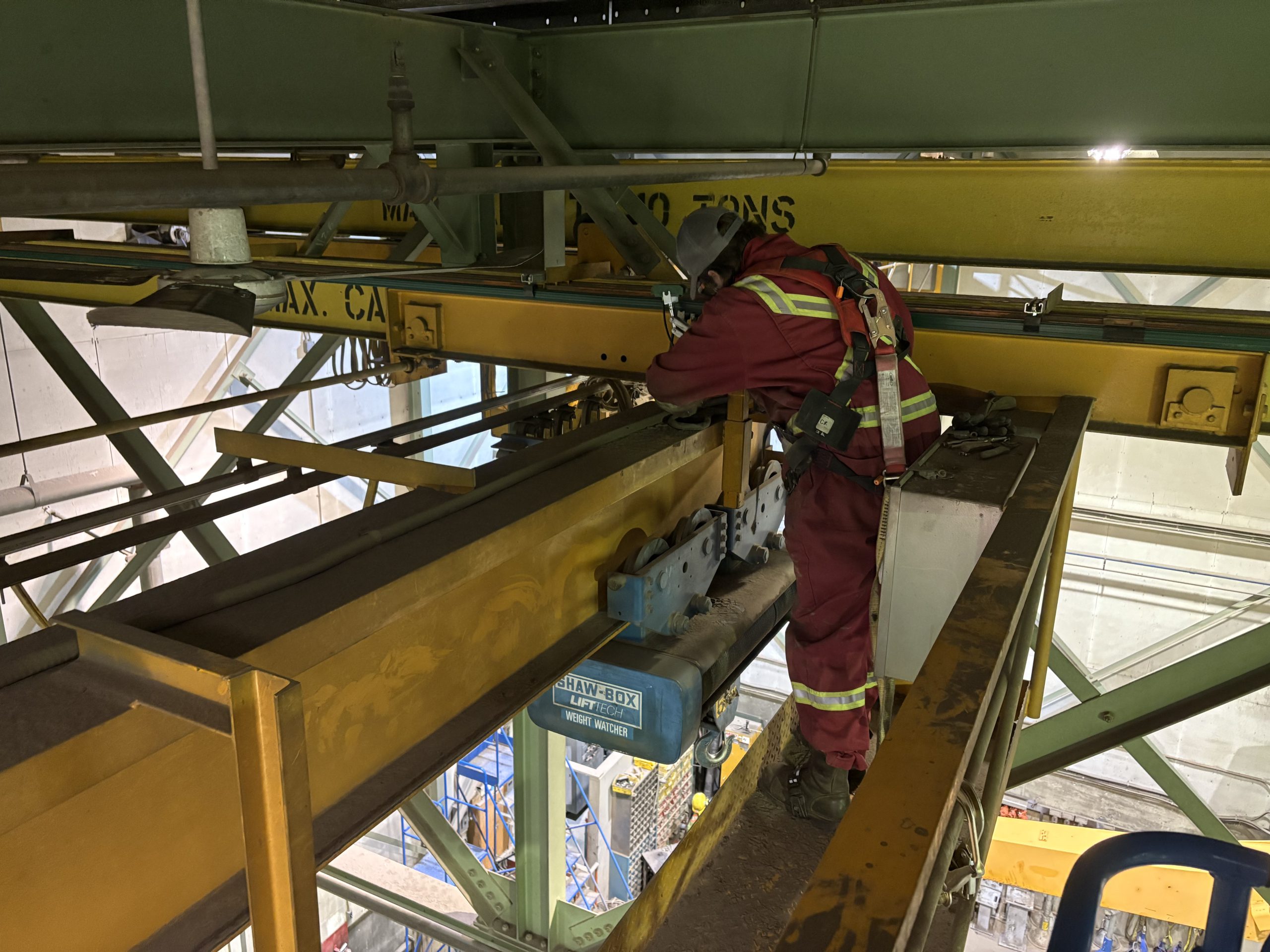
Daily inspections and scheduled maintenance help catch issues before they become failures. Documentation is key for accountability and compliance. - Clear Communication
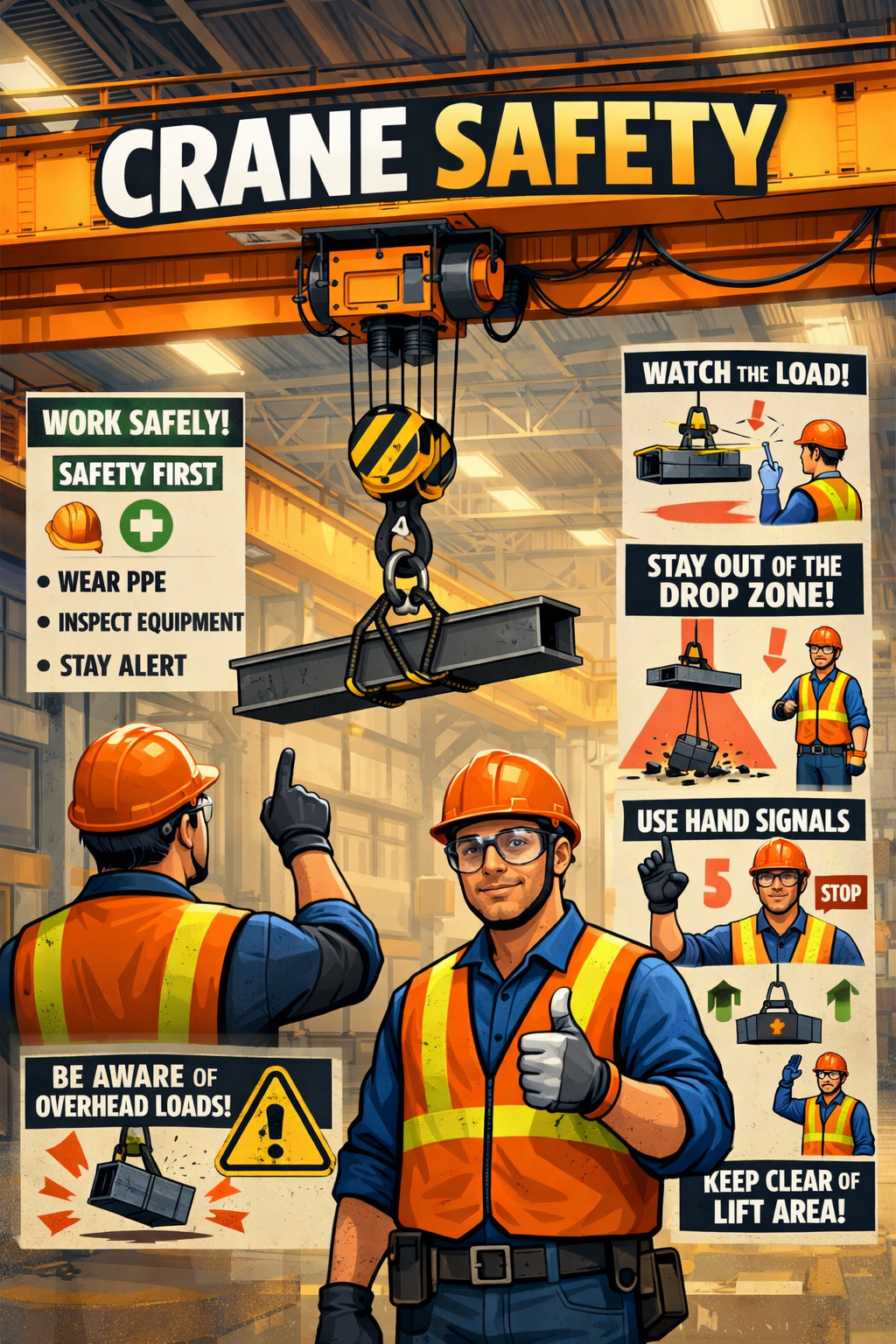
Effective signaling systems and communication protocols between operators and ground crews reduce confusion and prevent accidents. - Lift Planning
Every lift should be planned in advance, especially for complex or heavy loads. This includes load calculations, environmental assessments, and contingency planning. - Safety Culture from the Top Down
Leadership must actively promote and enforce safety standards. When safety becomes part of company culture, compliance follows naturally.
Final Thoughts
Crane safety is not just about preventing accidents—it’s about building a resilient, efficient, and trustworthy operation. Companies that prioritize safety protect their people, strengthen their brand, and position themselves for long-term success.
At Overhead Crane Solutions, we help businesses stay ahead of risk by delivering expert operator training and thorough inspection and maintenance programs that keep equipment safe, compliant, and operating at peak performance.
In a high-risk environment, safety isn’t optional—it’s foundational.