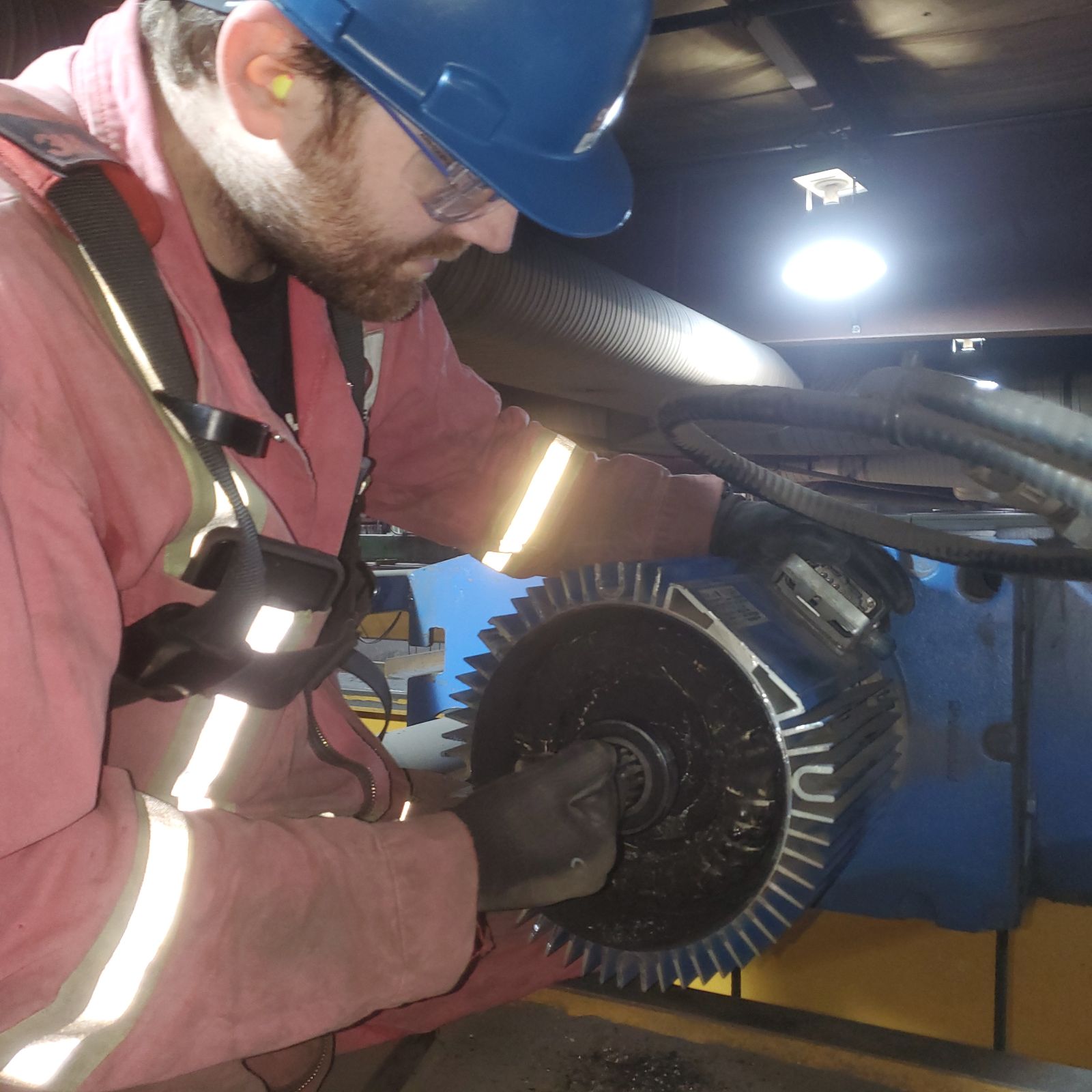
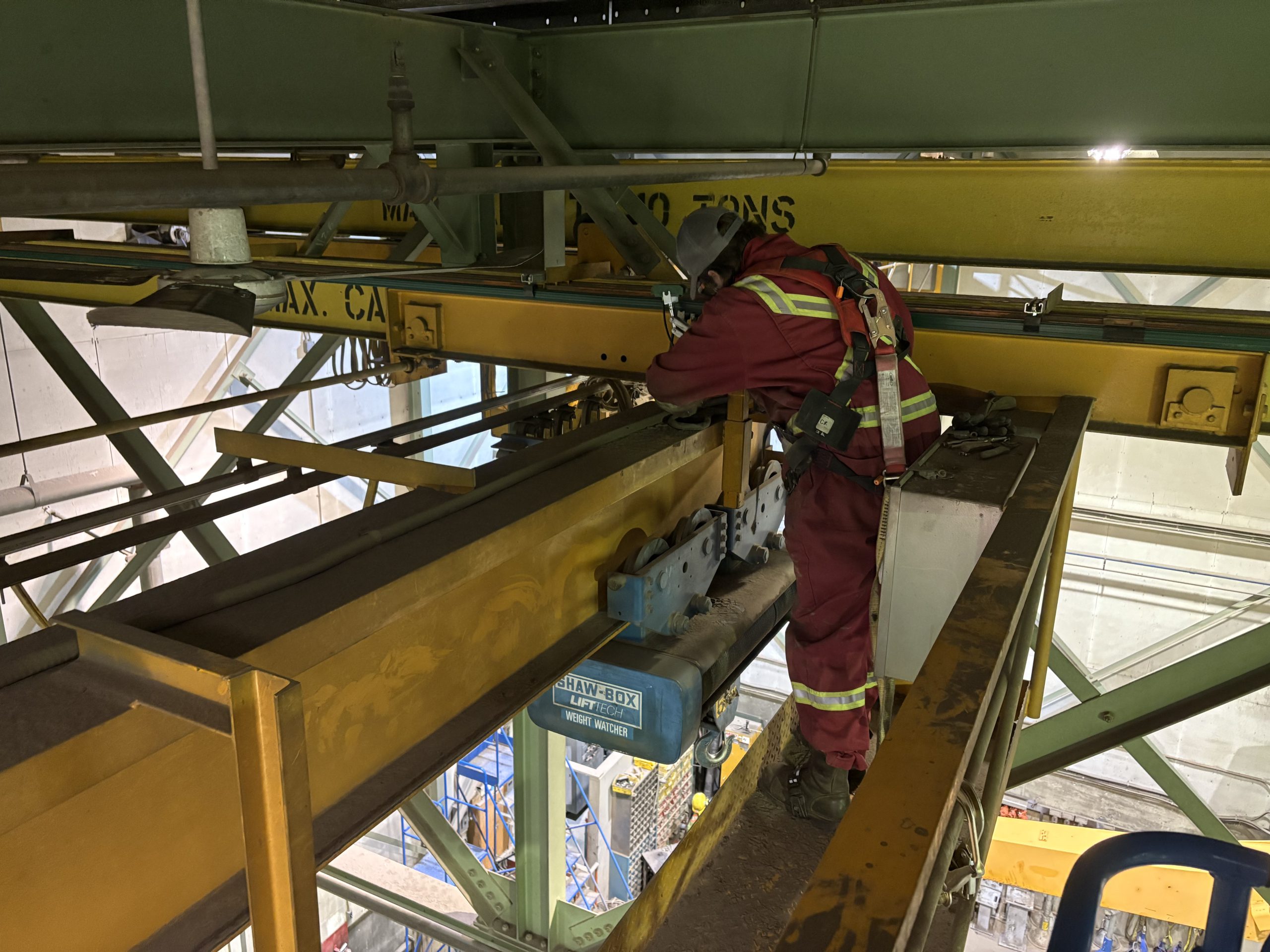
Few things disrupt operations faster than an unexpected crane breakdown. Emergency repairs often lead to costly downtime, production delays, rushed service calls, and increased safety risks. While some equipment failures are unavoidable, many emergency crane repairs can be prevented through proactive maintenance and operational best practices.
For industrial facilities that rely on overhead cranes every day, reducing unexpected failures should be a priority. The good news is that a few simple strategies can significantly improve crane reliability and help keep operations running smoothly.
1. Implement a Preventative Maintenance Program
One of the most effective ways to reduce emergency repairs is through scheduled preventative maintenance.
Many crane failures begin as small issues that gradually worsen over time. Routine maintenance allows technicians to identify and correct these problems before they cause major breakdowns.
Preventative maintenance programs typically include:
- Lubrication of moving components
- Brake inspections
- Electrical system checks
- Wire rope inspections
- Gearbox evaluations
- Alignment verification
By addressing wear and tear early, facilities can avoid many costly emergency service calls.
2. Perform Regular Operator Inspections
Operators are often the first line of defense against equipment failure.
Daily pre-use inspections can help identify issues before they become serious problems.
Operators should look for:
- Unusual noises
- Damaged wire ropes or chains
- Leaking fluids
- Loose components
- Abnormal crane movement
- Warning lights or fault codes
Encouraging operators to report concerns immediately can prevent minor issues from escalating into major repairs.
3. Address Small Problems Immediately
A common mistake in industrial facilities is delaying repairs when equipment remains operational.
For example:
- A noisy gearbox
- Intermittent electrical issues
- Minor brake wear
- Slight wire rope damage
These problems may seem insignificant at first, but they often lead to larger failures if left unresolved.
Addressing small issues early is almost always less expensive than dealing with a complete equipment breakdown.
4. Keep Up with Required Inspections
Regular inspections help identify developing problems that may not be visible during day-to-day operations.
Professional inspections often uncover:
- Component fatigue
- Structural wear
- Electrical deterioration
- Brake issues
- Alignment concerns
Facilities that maintain a consistent inspection schedule typically experience fewer unexpected failures and longer equipment life.
5. Invest in Operator Training
Improper crane operation places unnecessary stress on equipment and can accelerate wear.
Common operating mistakes include:
- Overloading
- Side pulling
- Sudden starts and stops
- Improper rigging
- Operating beyond recommended duty cycles
Proper training helps operators use equipment correctly while reducing strain on critical crane components.
Well-trained operators contribute directly to equipment reliability and workplace safety.
6. Monitor Aging Equipment Closely
As crane systems age, the likelihood of unexpected failures increases.
Older equipment may experience:
- Increased wear
- Electrical reliability issues
- Obsolete components
- More frequent breakdowns
Facilities operating older crane systems should consider more frequent inspections and maintenance reviews.
In some cases, modernization upgrades may be more cost-effective than repeatedly repairing aging equipment.
7. Maintain Accurate Service Records
Maintenance records provide valuable insight into equipment performance and repair history.
Tracking information such as:
- Inspection dates
- Repair history
- Component replacements
- Downtime incidents
- Maintenance schedules
helps identify recurring issues and allows maintenance teams to make more informed decisions.
A well-documented maintenance program often leads to fewer surprises and improved reliability.
Build a Culture of Proactive Maintenance
The most reliable facilities don’t wait for equipment to fail before taking action.
A proactive maintenance culture encourages:
- Early reporting of issues
- Routine inspections
- Scheduled maintenance
- Continuous operator training
- Long-term equipment planning
When everyone takes responsibility for equipment reliability, emergency repairs become far less common.
Reduce Downtime and Improve Reliability
Emergency crane repairs can be expensive, disruptive, and often preventable. By investing in preventative maintenance, regular inspections, operator training, and proactive repairs, facilities can significantly reduce downtime and extend the life of their crane systems.
At Overhead Crane Solutions, we help industrial facilities across Alberta improve crane reliability through inspections, preventative maintenance programs, repairs, and modernization services. Our goal is to help customers minimize downtime, improve safety, and keep operations moving.