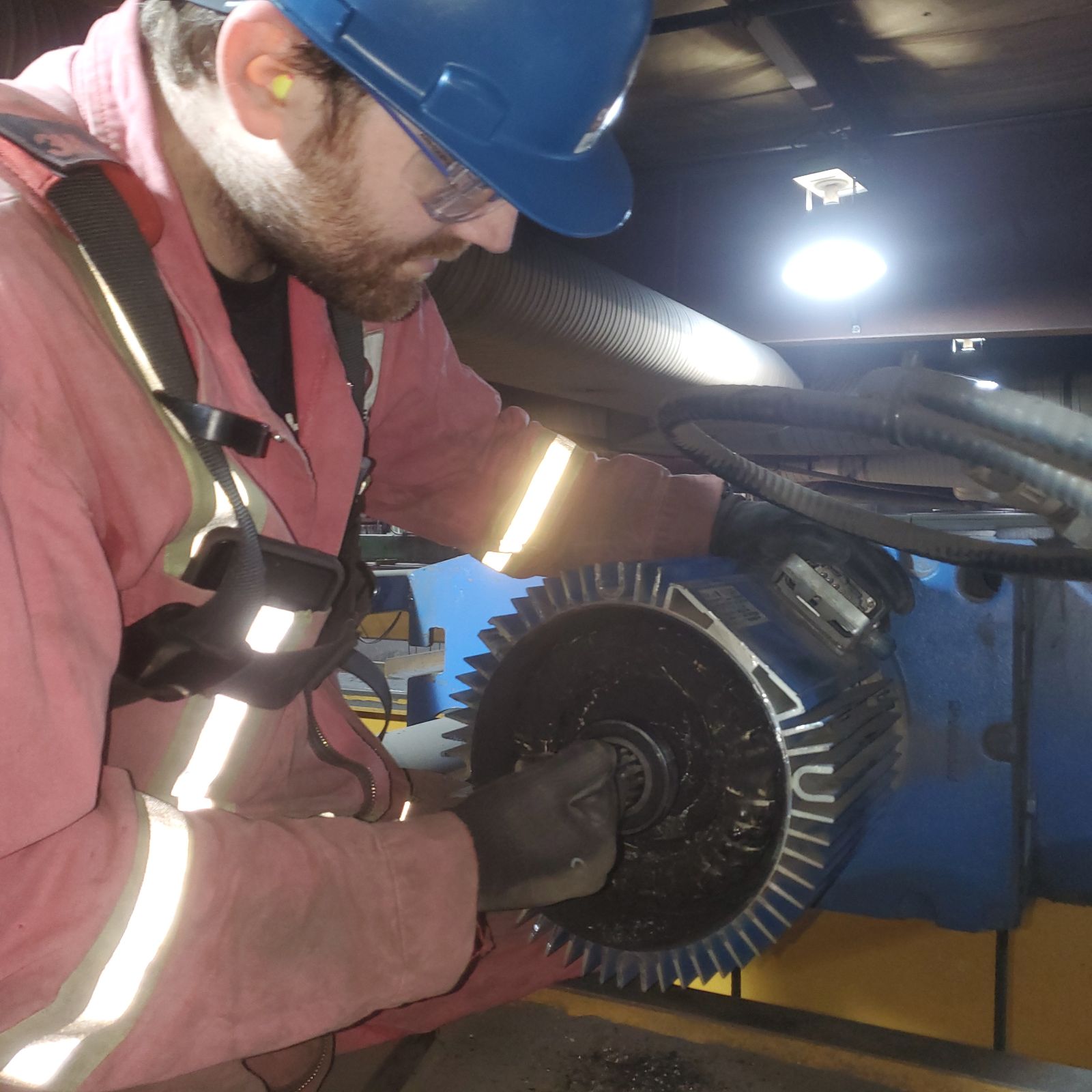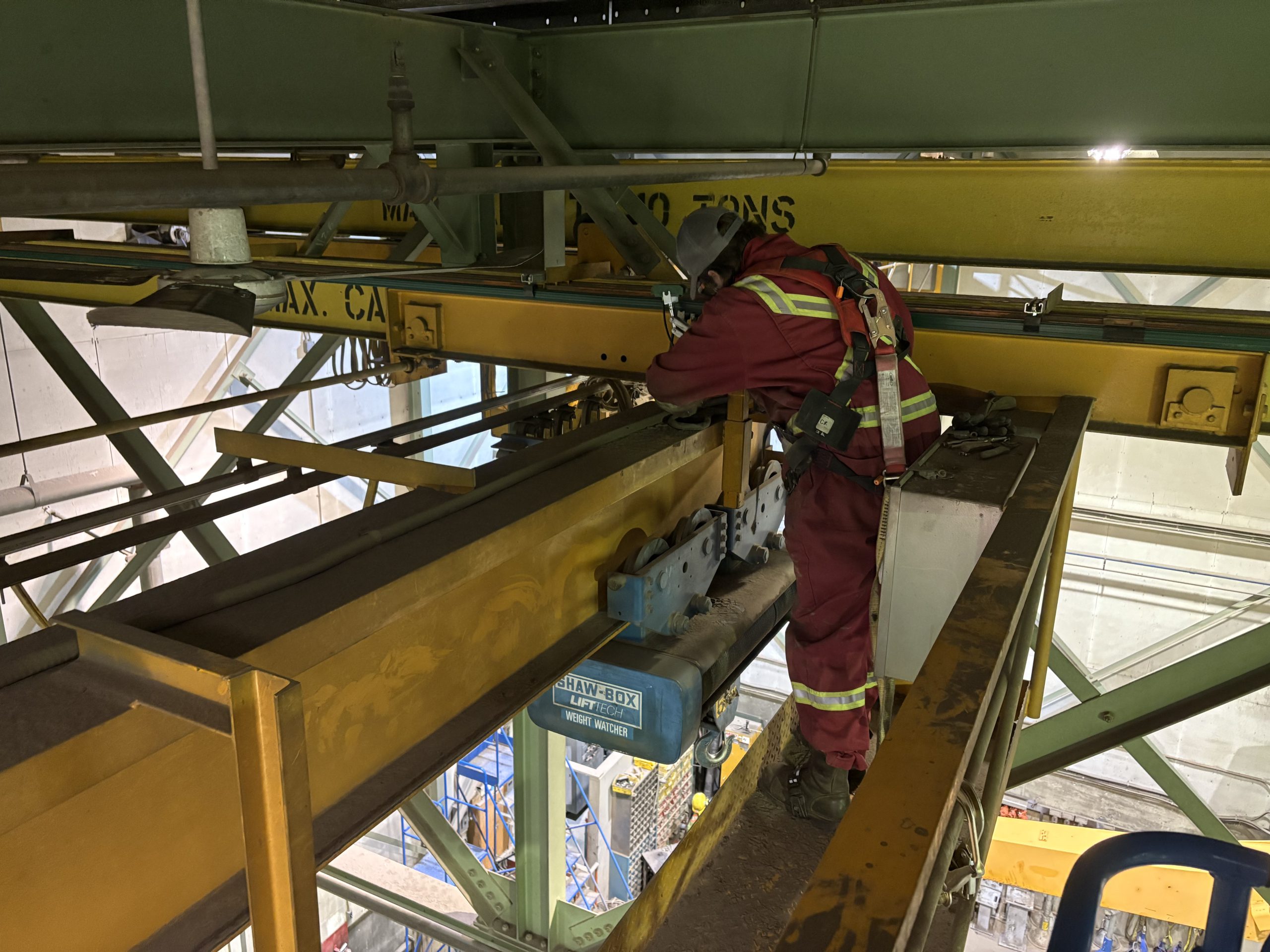

Overhead cranes are essential to keeping industrial operations moving efficiently and safely. But like any heavily used equipment, cranes experience wear and tear over time. Ignoring early warning signs can lead to unexpected downtime, expensive repairs, reduced productivity, and serious safety risks.
Routine inspections play a critical role in identifying problems before they become major failures. Knowing what to watch for can help your team stay ahead of costly issues and maintain a safer work environment.
Here are five common signs your overhead crane may be due for inspection.
1. Unusual Noises During Operation
One of the first warning signs of crane trouble is unusual noise during operation.
Grinding, squealing, clicking, or banging sounds can indicate problems such as:
- Worn bearings
- Gear damage
- Brake issues
- Misalignment
- Lack of lubrication
These sounds should never be ignored, especially if they appear suddenly or worsen over time.
Why It Matters
Mechanical issues often begin small but can quickly escalate into major component failures if left unaddressed.
What to Do
If operators notice unusual sounds, schedule an inspection immediately to identify the source of the problem before it leads to downtime or unsafe operating conditions.
2. Jerky or Inconsistent Crane Movement
Smooth and controlled movement is essential for safe crane operation. If your crane begins moving erratically, hesitates during lifting, or experiences sudden stops and starts, it may indicate mechanical or electrical issues.
Possible causes include:
- Motor problems
- Brake wear
- Electrical faults
- VFD issues
- Control system malfunctions
Why It Matters
Inconsistent movement increases the risk of load instability, equipment damage, and workplace accidents.
What to Do
A qualified crane technician can inspect the electrical and mechanical systems to diagnose the issue and restore proper operation.
3. Visible Wear on Wire Ropes, Chains, or Hooks
Wire ropes, chains, and hooks endure constant stress during lifting operations. Over time, these components naturally wear down and require inspection or replacement.
Warning signs include:
- Frayed wire rope strands
- Corrosion
- Kinks or crushing
- Stretched chains
- Bent or cracked hooks
Why It Matters
Damaged lifting components significantly increase the risk of equipment failure and dropped loads.
What to Do
Operators should perform regular visual checks, while certified inspections help ensure all lifting components meet safety requirements and remain in safe working condition.
4. Frequent Breakdowns or Unexpected Downtime
If your crane requires frequent repairs or experiences recurring operational issues, it may be overdue for a comprehensive inspection.
Repeated problems often indicate underlying issues such as:
- Component fatigue
- Electrical deterioration
- Improper maintenance
- Aging equipment
- Structural wear
Why It Matters
Recurring downtime affects productivity, increases repair costs, and can create scheduling delays across an entire facility.
What to Do
A detailed inspection can identify root causes and help determine whether repairs, maintenance, or modernization upgrades are needed.
5. Overdue or Missed Scheduled Inspections
One of the biggest risks is simply falling behind on required inspections.
Many facilities operate under demanding production schedules, making it easy to postpone routine maintenance and inspections. Unfortunately, delaying inspections often leads to larger issues later.
Why It Matters
Regular inspections help:
- Identify safety concerns early
- Reduce unplanned downtime
- Maintain compliance
- Extend equipment lifespan
- Improve operational reliability
What to Do
Follow manufacturer recommendations and applicable provincial or federal regulations for crane inspection intervals. Facilities with heavy usage or harsh operating environments may require more frequent inspections.
Why Preventative Inspections Matter
Preventative inspections are one of the most effective ways to reduce crane downtime and improve workplace safety. Identifying issues early helps facilities avoid emergency repairs, production delays, and costly equipment failures.
Professional crane inspections can help:
- Improve equipment reliability
- Reduce maintenance costs
- Increase safety
- Support compliance requirements
- Extend crane service life
Keep Your Crane Systems Operating Safely
If your crane is showing any of these warning signs, it may be time to schedule an inspection before a small issue becomes a major problem.
At Overhead Crane Solutions, we provide professional overhead crane inspections, preventative maintenance, repairs, and modernization services for facilities across Alberta. Our experienced technicians help identify potential issues early to keep your operations running safely and efficiently.