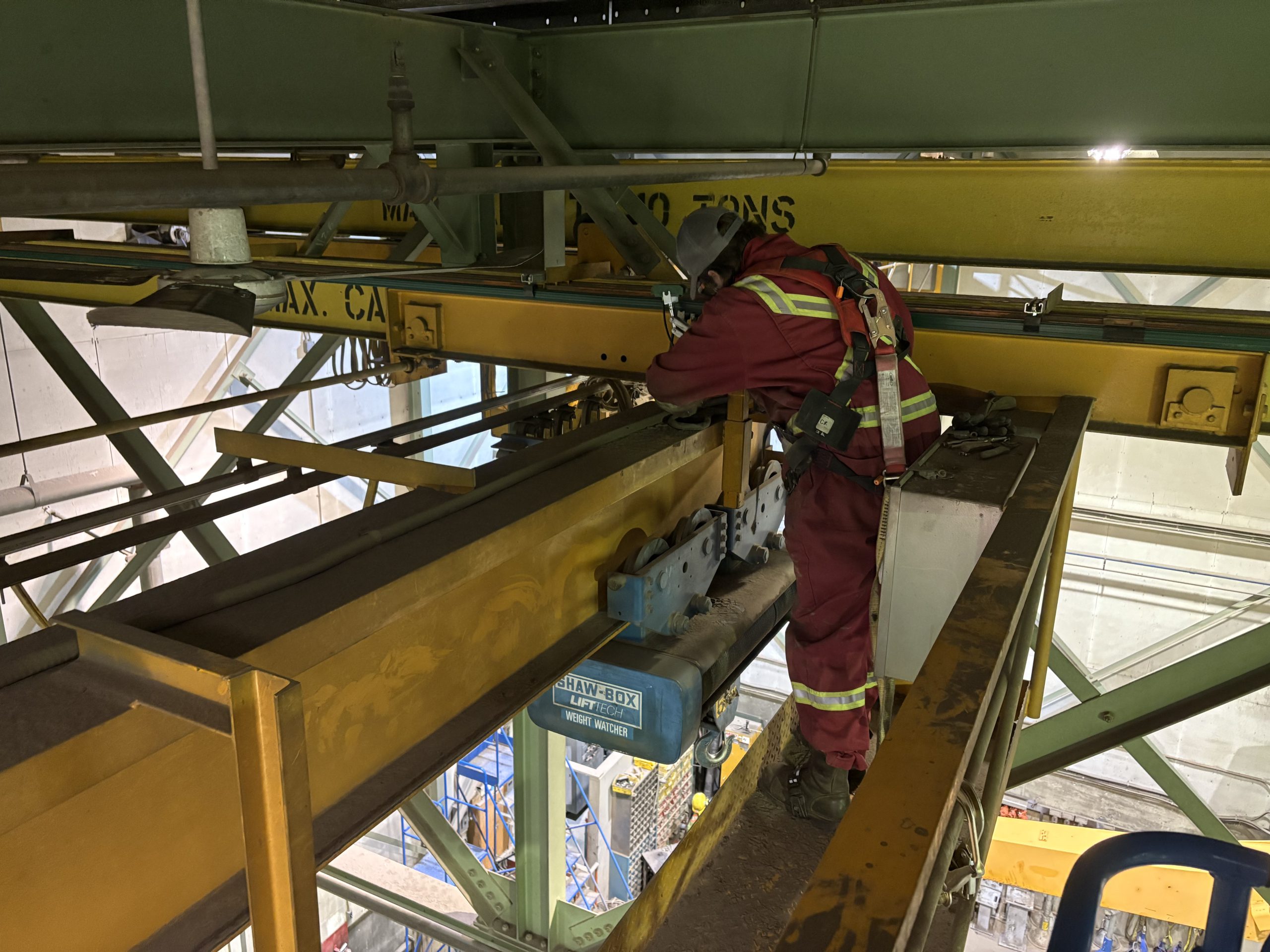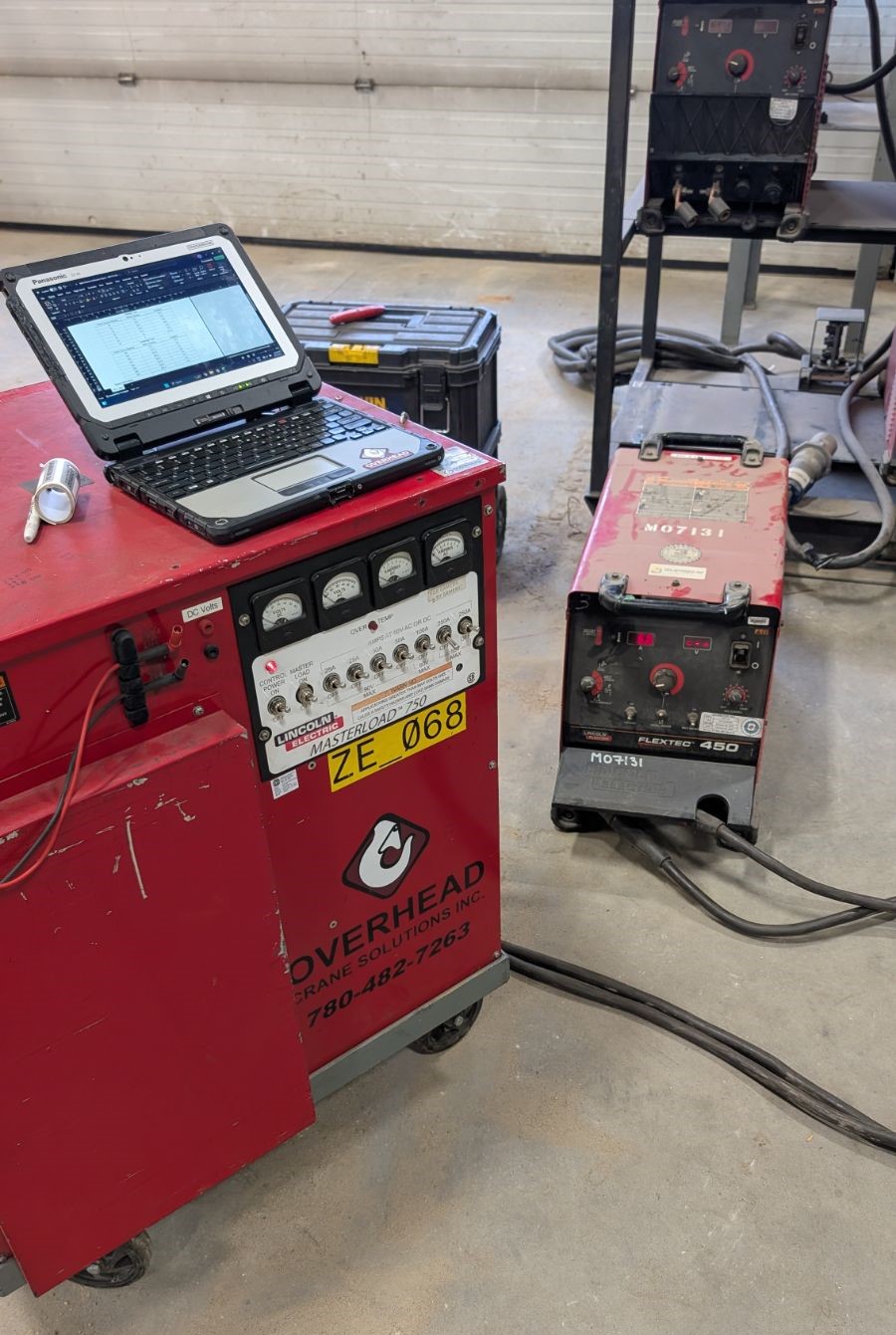

Unexpected crane downtime can bring an entire operation to a halt. Whether you’re running a manufacturing facility, warehouse, fabrication shop, or industrial plant, overhead cranes play a critical role in daily productivity. When a crane goes down unexpectedly, the costs add up quickly through lost production time, delayed shipments, emergency repairs, and safety concerns.
The good news is that many of the most common causes of crane downtime are preventable with proper maintenance, inspections, and operator awareness.
In this article, we’ll look at the most common causes of overhead crane downtime and what your team can do to reduce interruptions and keep equipment operating safely and efficiently.
1. Missed Preventative Maintenance
One of the leading causes of crane failure is simply a lack of routine maintenance.
Over time, components naturally wear down through daily use. Without scheduled maintenance, small issues can quickly become major mechanical failures that require costly repairs and unplanned downtime.
Common maintenance-related problems include:
- Worn brake systems
- Lack of lubrication
- Loose electrical connections
- Misaligned components
- Excessive wear on wire ropes or chains
How to Prevent It
Implement a preventative maintenance program that includes:
- Scheduled inspections
- Lubrication routines
- Component testing
- Wear tracking
- Service documentation
Preventative maintenance helps identify issues before they become emergencies and extends the life of your crane system.
2. Electrical System Failures
Electrical issues are another major source of crane downtime. Problems can occur in:
- Pendant controls
- Festoon systems
- Variable frequency drives (VFDs)
- Motors
- Contactors
- Limit switches
- Power supply connections
Environmental conditions such as dust, moisture, heat, and vibration can accelerate electrical wear and failure.
Signs of Electrical Problems
- Intermittent operation
- Delayed response from controls
- Unexpected shutdowns
- Tripped breakers
- Burning smells or overheating
How to Prevent It
Routine electrical inspections can help identify:
- Damaged wiring
- Corrosion
- Loose connections
- Failing components
Keeping electrical systems clean and protected from harsh environmental conditions can also reduce failures significantly.
3. Worn Wire Ropes and Hoist Components
Wire ropes and hoist components experience constant stress during lifting operations. Over time, they can develop:
- Fraying
- Corrosion
- Kinking
- Crushing
- Broken strands
Ignoring these warning signs can lead to equipment failure and serious safety risks.
How to Prevent It
Operators and maintenance personnel should regularly inspect:
- Wire ropes
- Hooks
- Sheaves
- Chains
- Hoist drums
Replacing worn components early is far less expensive than dealing with a catastrophic failure or workplace incident.
4. Operator Error and Improper Use
Even well-maintained cranes can experience downtime when equipment is used improperly.
Common operational issues include:
- Overloading
- Side pulling
- Sudden starts and stops
- Improper rigging
- Operating beyond duty cycles
These practices place unnecessary stress on crane components and increase wear.
How to Prevent It
Proper operator training is essential. Training should include:
- Safe lifting procedures
- Load capacity awareness
- Daily pre-use inspections
- Proper rigging techniques
- Emergency procedures
Well-trained operators help reduce equipment strain while improving workplace safety.
5. Lack of Regular Inspections
Routine inspections are critical for identifying developing problems before they lead to failure.
Many facilities delay inspections until visible problems appear, but by that point, downtime may already be unavoidable.
Inspections Help Identify:
- Structural fatigue
- Excessive wear
- Brake issues
- Alignment problems
- Electrical concerns
- Safety compliance issues
How to Prevent It
Follow a regular inspection schedule based on:
- Manufacturer recommendations
- Provincial and federal regulations
- Equipment usage frequency
- Operating environment
Working with experienced crane technicians ensures inspections are thorough and compliant.
6. Environmental Conditions
Harsh operating environments can significantly shorten crane component life.
Factors such as:
- Extreme cold
- Dust
- Moisture
- Corrosive chemicals
- Outdoor exposure
can accelerate wear and increase failure rates.
In Alberta, cold temperatures can create additional challenges including frozen components, brittle materials, and lubrication problems.
How to Prevent It
Facilities should:
- Use environment-specific lubricants
- Protect electrical systems from moisture
- Schedule seasonal inspections
- Monitor cranes exposed to harsh conditions more frequently
Proper environmental planning helps improve reliability year-round.
7. Aging Equipment and Outdated Components
Older crane systems often experience more frequent downtime due to worn or obsolete parts.
As systems age:
- Replacement components become harder to source
- Electrical systems become less reliable
- Repair costs increase
- Downtime events become more frequent
How to Prevent It
Modernization upgrades can improve:
- Reliability
- Safety
- Efficiency
- Parts availability
- Operator control systems
In many cases, upgrading critical components is more cost-effective than repeated emergency repairs.
The Cost of Reactive Repairs
Many facilities rely on reactive maintenance — waiting until equipment fails before addressing issues.
Unfortunately, emergency repairs often result in:
- Higher repair costs
- Longer downtime
- Expedited shipping charges
- Production delays
- Increased safety risks
A proactive maintenance approach helps minimize unexpected failures and improves long-term operating costs.
Keep Your Crane Systems Running Safely and Efficiently
Reducing crane downtime starts with proactive maintenance, regular inspections, and proper operator training. By identifying potential issues early, facilities can avoid costly breakdowns and maintain safe, reliable operations.
At Overhead Crane Solutions, we help facilities across Alberta, and beyond, keep their crane systems operating at peak performance through inspections, preventative maintenance, repairs, and modernization services.
If your facility is experiencing recurring crane issues or overdue for inspection, our team is here to help.