
Fall Protection 101 for Crane Operations: Breaking Down OHS Requirements and Practical Tips

Why Fall Protection Matters in Crane Operations Working around overhead cranes often means working at heights—on runways, platforms, or elevated areas where a misstep can lead to a serious fall. According to OHS statistics, falls are one of the leading causes of workplace injuries and fatalities across Canada. For crane owners and operators, having a […]
Why Your Crane Operators Shouldn’t Be Your Inspectors
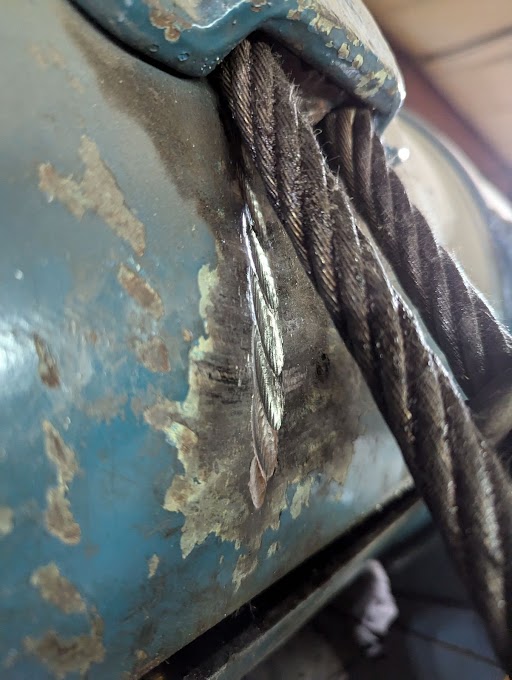
We hear it all the time:“Our operator does a walkaround, so we’re good, right?” Not quite. While your operator should absolutely be performing daily pre-use checks, that’s not the same as a formal inspection. In fact, having your operators inspect your cranes might be putting your business — and your workers — at risk. Here’s […]
Overhead Crane Terminology Explained for New Operators (and How Our Training Program Can Help)
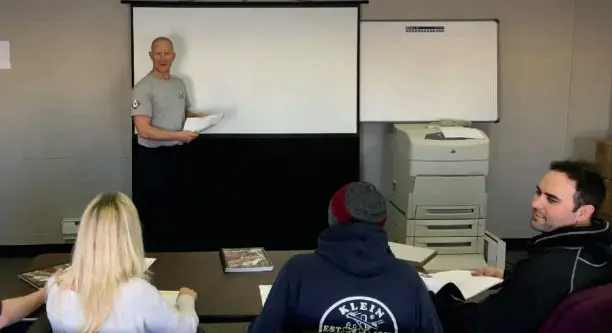
Introduction Starting a career as an overhead crane operator can feel overwhelming — especially when you’re faced with a whole new set of industry-specific terms. At Overhead Crane Solutions Inc., we believe knowledge is the foundation of safety. That’s why we’ve put together this beginner-friendly guide to crane terminology and paired it with information on […]
The Power of Precision: Why Crane Transmitters Are Essential for Modern Lifting Operations
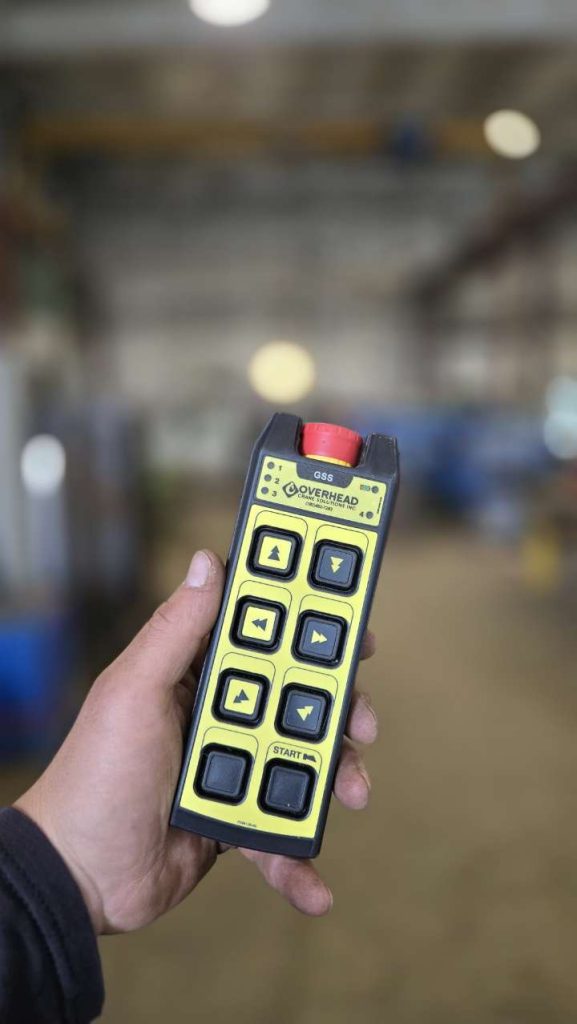
In today’s fast-paced industrial environment, wireless crane transmitters are revolutionizing how operators control overhead cranes. These handheld devices, often small enough to fit comfortably in one hand, give operators precise, real-time control—without the limitations of wired pendants or stationary control panels. But what exactly are crane transmitters, and why should your operation care? What Is […]
📘 What Is a Crane Log Book?
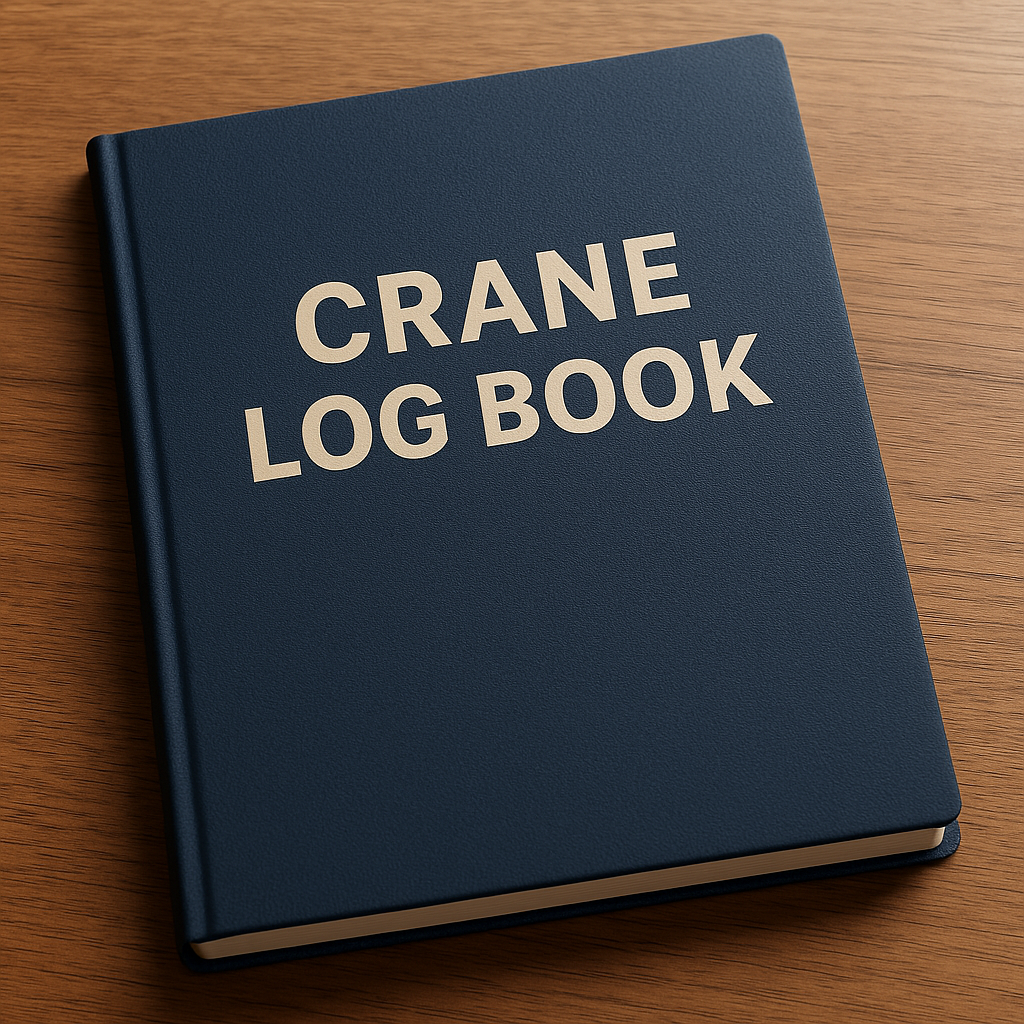
A crane log book is a written record kept on-site and with the equipment, documenting: Daily and pre-shift inspections Maintenance, semi/quarterly/annual inspections and repairs performed Any safety issues, malfunctions, or irregularities Operator notes and observations Load test results Certification and service records This log provides traceable documentation of the crane’s health, usage, and safety — […]
What to Expect During a CSA-Compliant Crane Inspection
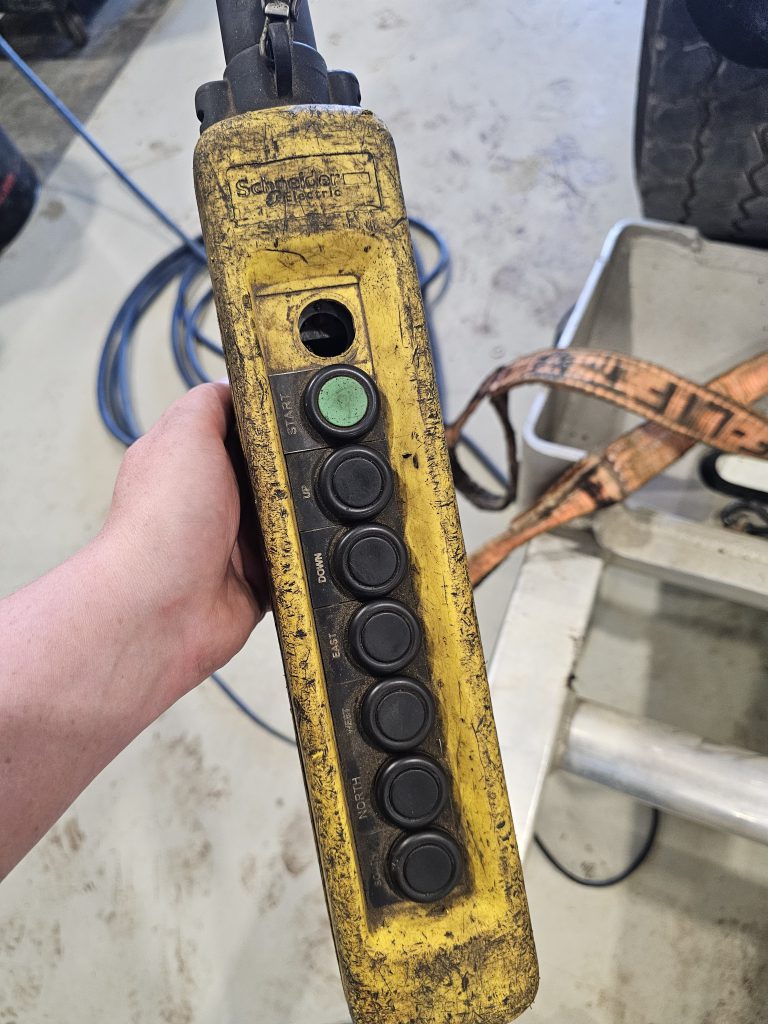
If you’re responsible for crane safety and compliance, you’re probably familiar with the term CSA B167 — but what does it actually mean for your operation? At Overhead Crane Solutions, our inspections follow the CSA B167 Standard for Overhead Cranes, Gantry Cranes, Monorails, Hoists, and Trolleys — ensuring your equipment is not only legally compliant […]
☀️ Summer Heat & Crane Safety: What You Need to Know
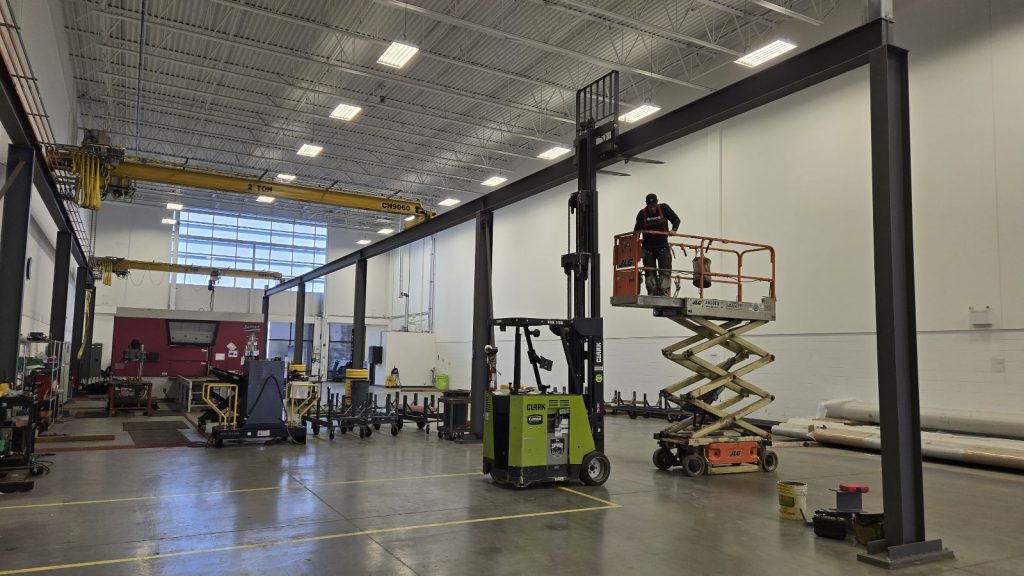
As the temperatures rise, so do the risks — especially when it comes to operating and maintaining overhead cranes during the summer months. At Overhead Crane Solutions, we know that extreme heat doesn’t just affect your crew — it can also put stress on your equipment. Here’s what to watch for this summer and how […]
Meet the Experts Behind the Hook: Our Overhead Crane Technicians
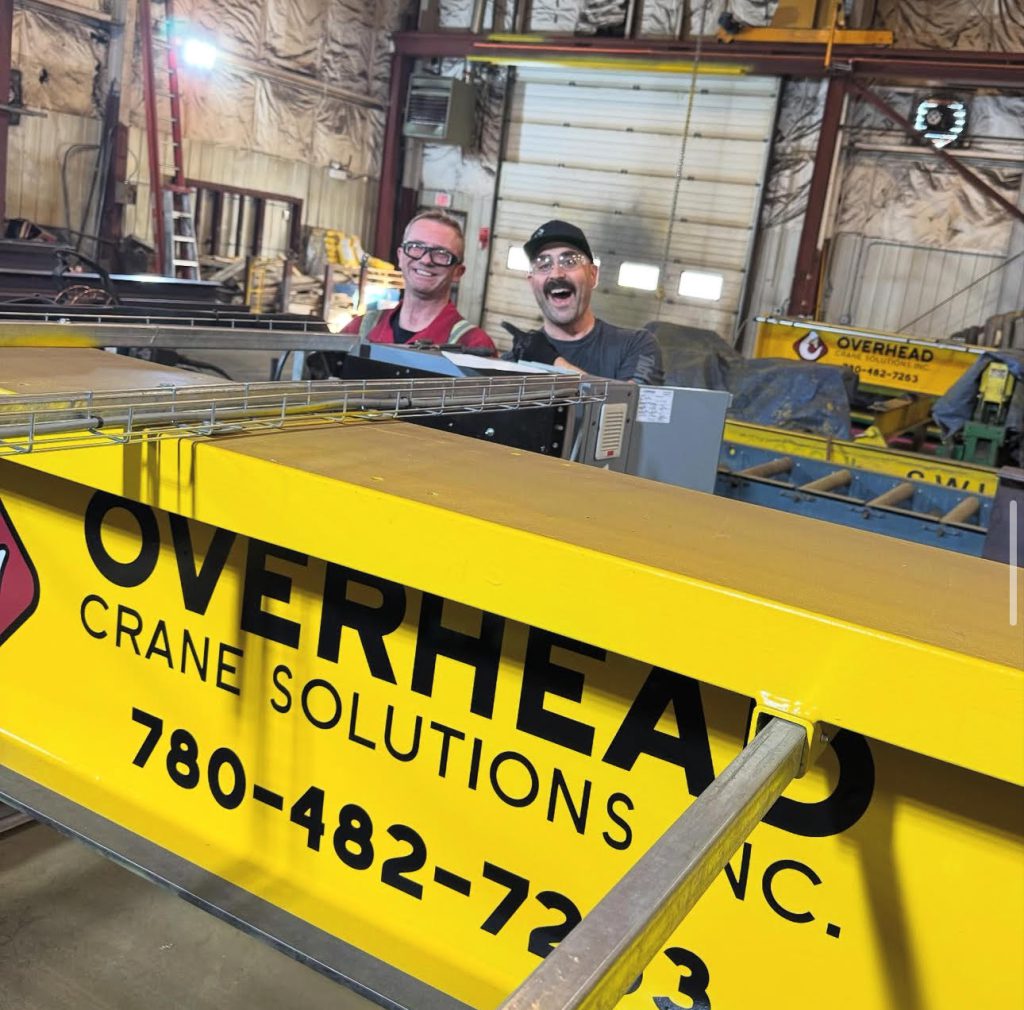
At Overhead Crane Solutions Inc., our technicians are the backbone of everything we do. From emergency repairs and scheduled maintenance to full crane builds, these skilled professionals are the reason we’re trusted by industries across Alberta and beyond. Expertise You Can Count OnOur technicians consist of Red Seal journeymen, experienced professionals and leading industry technicians […]
The Process of Installing a New Overhead Crane: What You Need to Know
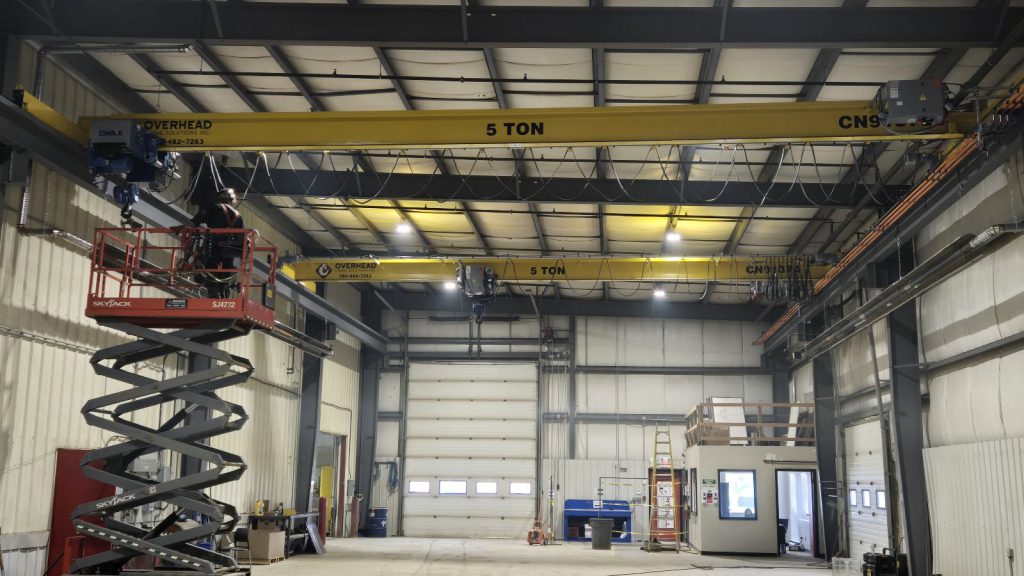
Investing in a new overhead crane is a significant decision for any facility. Whether you’re expanding operations, replacing aging equipment, or upgrading to meet safety and efficiency demands, understanding the installation process can help ensure a successful outcome. At Overhead Crane Solutions Inc., we pride ourselves on delivering safe, efficient, and turnkey crane installations. Here’s […]
Top 5 Signs Your Overhead Crane Needs Immediate Attention
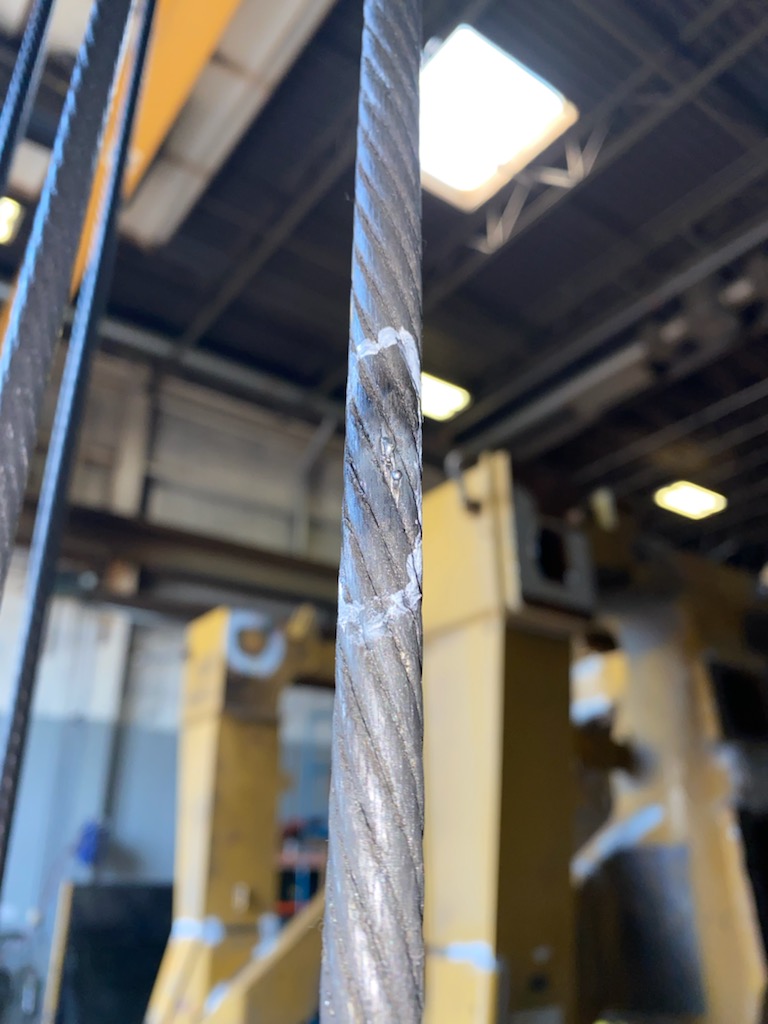
In Canada, overhead crane owners and operators are legally required to follow strict safety standards outlined by the Canadian Standards Association (CSA) and provincial Occupational Health and Safety (OH&S) regulations. Ignoring early warning signs can not only lead to expensive downtime—it could result in regulatory violations or serious injury. Here are the top 5 signs […]